
Timing: 6:00am-2:00pm


Choosing a private school in Lausanne is above all about finding the right environment for your child to progress, regain confidence, and build their future with peace of mind. But faced with the diversity of institutions — from private primary and secondary schools to post-compulsory education structures — and the variety of teaching approaches, how can you evaluate a private school and make sense of it all?”“Here are the key criteria to consider, regardless of the type of education you are looking for:
In Lausanne, private schools aligned with the Plan d’études romand (PER) also ensure direct continuity with the Vaud school system — with the aim of enabling your child to access the same opportunities as students in public schools, whether they enter gymnasium at the end of the school year or later, and to facilitate access to higher education.Here is a complete guide to help you choose the right private school for your child.
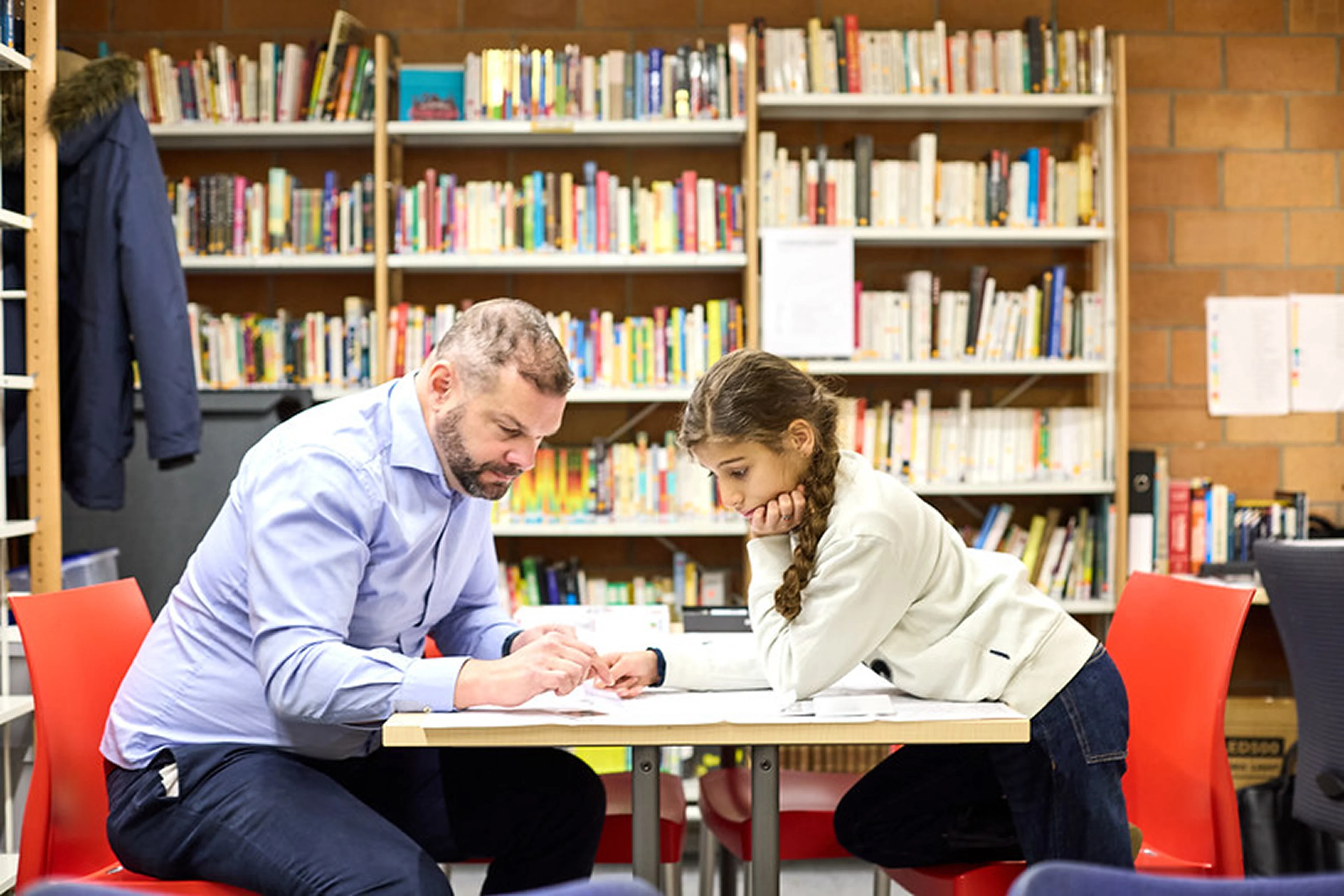
Many parents come to this question after a moment of doubt: their child is struggling, losing confidence, or not progressing at the pace they deserve. Choosing private education is not a fallback option — it is often a choice of environment. Here is what concretely sets this schooling experience apart.
In Lausanne, choosing private education means opting for a learning environment where your child is known, supported, and individually guided. The most frequently cited advantages of private schools by families are tangible:
What families often describe is a school where their child finally feels seen — not just like they are following along. It is this educational model — both demanding and supportive — that makes the difference in the long term.
Our advice: do not rely solely on brochures. Visit, observe, and let your child share how they felt.These advantages apply to all profiles — but certain family or academic situations make the choice of a private school particularly relevant. Here are two that come up frequently.
Gifted children (HPI) are among the profiles that benefit most from a change of school environment — yet they are often the last for whom it is suggested. Because they “manage,” because they do not disrupt the class, or because their boredom is mistaken for laziness. Seeing a gifted child thrive in the right environment is often a revelation for families who have long been searching for answers.In an overcrowded classroom, a gifted child can easily fall through the cracks: too fast for the pace of the group, but not struggling enough to receive specific attention. If this mismatch persists, it can lead to frustration and often a loss of motivation that may look like disengagement.What changes in a learning environment with small class sizes — and the means to adapt to each profile — is:
It is important to distinguish between two often-confused situations: a gifted child (HPI) and a child with learning difficulties have different needs, but both benefit from a supportive environment where time is taken to understand them before assessing them. This is precisely what a school can offer when its educational philosophy and approach place the student — rather than the curriculum — at the center.
A gifted student primarily needs stimulation. At École Vinet, this is reflected in concrete terms: a differentiated curriculum that allows students to progress further in subjects where they excel, complementary in-class activities to nurture their curiosity, and teachers who are available to adapt their approach to each profile. This is what small class sizes make possible.
Nathalie Cueille, pedagogical director
Moving to Lausanne with school-age children — whether you are an international family or relocating from another Swiss canton — immediately raises an important question: how can your child integrate into the Vaud school system without losing academic progress and without being unsettled in the first few weeks?The French-speaking Swiss education system has its own reference points, and its structure can surprise families arriving from elsewhere. The numbering of school years (7th, 8th, 9th HarmoS), the General (VG) and Pre-gymnasial (VP) tracks, and the central role of the PER in student progression are all elements that differ from the French system — with its French Baccalaureate and reversed year numbering — from the Belgian system, or from other Swiss cantons, and can be disorienting for both parents and children.The advantage of a private school aligned with the Vaud PER is precisely the ability to fully adapt the student’s entry level to their current academic situation — without forcing them into a framework that does not yet suit them. It is an open system, designed to support each educational journey where it stands, not where it is expected to be according to a standardized timeline.Our advice: do not wait for the situation to naturally settle on its own. The earlier the integration is supported, the faster your child regains their bearings.Concretely, here is what this framework makes possible:
There is no universal checklist, but certain criteria consistently come up when visiting schools and speaking with families. Here are the ones that truly make a difference when it comes to high-quality education.
It is often the first criterion mentioned — and rightly so. Small class sizes — ideally between 10 and 18 students — profoundly transform the relationship between teacher and pupils. Each child can ask questions, be quickly identified if difficulties arise, and progress at their own pace.In practice, many private schools in Lausanne have classes of around 10 to 15 students, precisely to enable close follow-up and more individualized teaching. This structure allows for more attentive support for each student and makes pedagogical guidance more responsive and personalized.It is therefore essential to verify the actual figures during a school visit — and not rely solely on what is stated in brochures.
A strong educational philosophy is not limited to a course format. Look at whether the school offers concrete approaches such as learning through play, mental strategies, interdisciplinary projects, or outdoor education. These methods support a child’s overall development — intellectual, methodological, and personal — in line with international best practices. High-quality education often lies in these pedagogical details, which you can observe during a school visit.
A good private school maintains regular and transparent communication with parents — online tracking platforms, regular meetings with teachers or school leadership, and an open-door culture. This is a concrete sign of seriousness, reputation, and commitment to properly preparing your child’s future — in French as well as across all subjects.
Continuous school hours, on-site cafeteria, after-school supervision, mobile phone policy, and accessibility by public transport… These elements shape your child’s daily life — and yours as well. A well-designed environment means less logistical burden and more peace of mind for the whole family.
Criteria
According to the dashboard of compulsory education in the Canton of Vaud, the average class size in public schools in Vaud is around 19 students — a figure that concretely illustrates what smaller class sizes change in terms of daily follow-up for each student.
Make an appointment for a visitNot all private schools offer the same range of courses, nor the same ability to provide a complete and officially recognized education. In Lausanne and in the canton of Vaud, schools aligned with the Plan d’études romand (PER) generally offer the following pathways:
What a PER-aligned program guarantees is a high-quality education that is internationally recognized — as well as a smooth transition into the Vaud public school system should your child join it later, along with preparation for entrance exams to gymnasium.To better understand how compulsory education is structured in the canton — primary, lower secondary, VG and VP pathways — the Canton of Vaud provides a complete overview of the compulsory schooling system, which can help you situate your child’s educational path.
Here are a few concrete guidelines to help you decide. A bit of preparation before your visit can make all the difference. Before visiting, ask yourself these questions:
During the visit, trust your instincts. A good private school can be recognized as much by its atmosphere as by its results — and by its educational vision. Do the students seem comfortable and confident? Do teachers provide precise, engaged feedback on each student, or do they remain general and distant?Many schools offer a trial period or an observation day. This is often the best way to make a decision — for both you and your child.
I spent four years at École Vinet with teachers who were committed to giving us the best chances in a consistently supportive environment. I don’t think I would be living from my passion today if I had not completed a significant part of my schooling there.— Hugo Braillard
In Lausanne, tuition fees vary significantly depending on the type of school and the services included. As an indication, international or bilingual schools — particularly those offering the International Baccalaureate — generally range from CHF 20,000 to 40,000 per year. Local schools aligned with the Vaud education system are generally more affordable.A point that is often overlooked: a school structured as a non-profit association reinvests all its resources into high-quality education and student support — without any profit-driven logic. It is an investment in your child’s education, with full transparency on how funds are used.Beyond the annual tuition fee, it is important to look at what is included: after-school care, supervised study time, meals, academic guidance, and cultural or sports activities. Two schools with similar fees can offer very different experiences.
The enrollment procedure in a private school in Lausanne is generally more flexible than in the public one — and this is one of the advantages. Here is how it works in most establishments.
1. Making contact — by phone, email or online form. It's a good time to ask your first questions about available courses, places, and back-to-school deadlines.
2. Entretien avec la direction — a moment to understand your child's journey, needs and strengths. It's not an exam: it's a conversation.
3. Composition of the file — the required documents are generally the latest school reports and proof of address. Simple and accessible.
4. Test course — some establishments offer a day or a week of integration so that your child — and you — can confirm your choice calmly.
5. — once the file has been validated, the student often has the opportunity to join the school during the school year, without waiting for the next school year.
Before you commit yourself, check that the establishment is recognized by independent organizations or has a quality label. THEAVDEP (Vaudoise Association of Private Schools), the FSEP (Swiss Federation of Private Schools) And theIQSC (Swiss quality certification) are the main accreditations that guarantee the reliability of teaching, the transparency of management and the quality of the supervision of a private establishment in the canton of Vaud.
Pour les familles qui hésitent encore sur la bonne filière, notre guide sur l'orientation scolaire à Lausanne peut aider à clarifier le choix.
Many parents wait for June reflexively, for fear of unsettling their child, or simply because they don't know that another option exists. The reality is often the opposite: staying in an unsuitable environment for several months is more expensive than the transition itself.Signs that indicate that you should not wait:
In most private schools in Lausanne, enrolment during the school year is possible. A trial period allows your child to gradually discover their new environment, with individualized support from day one.Changing schools during the year is not a sign of failure — it is often the right decision made at the right time.
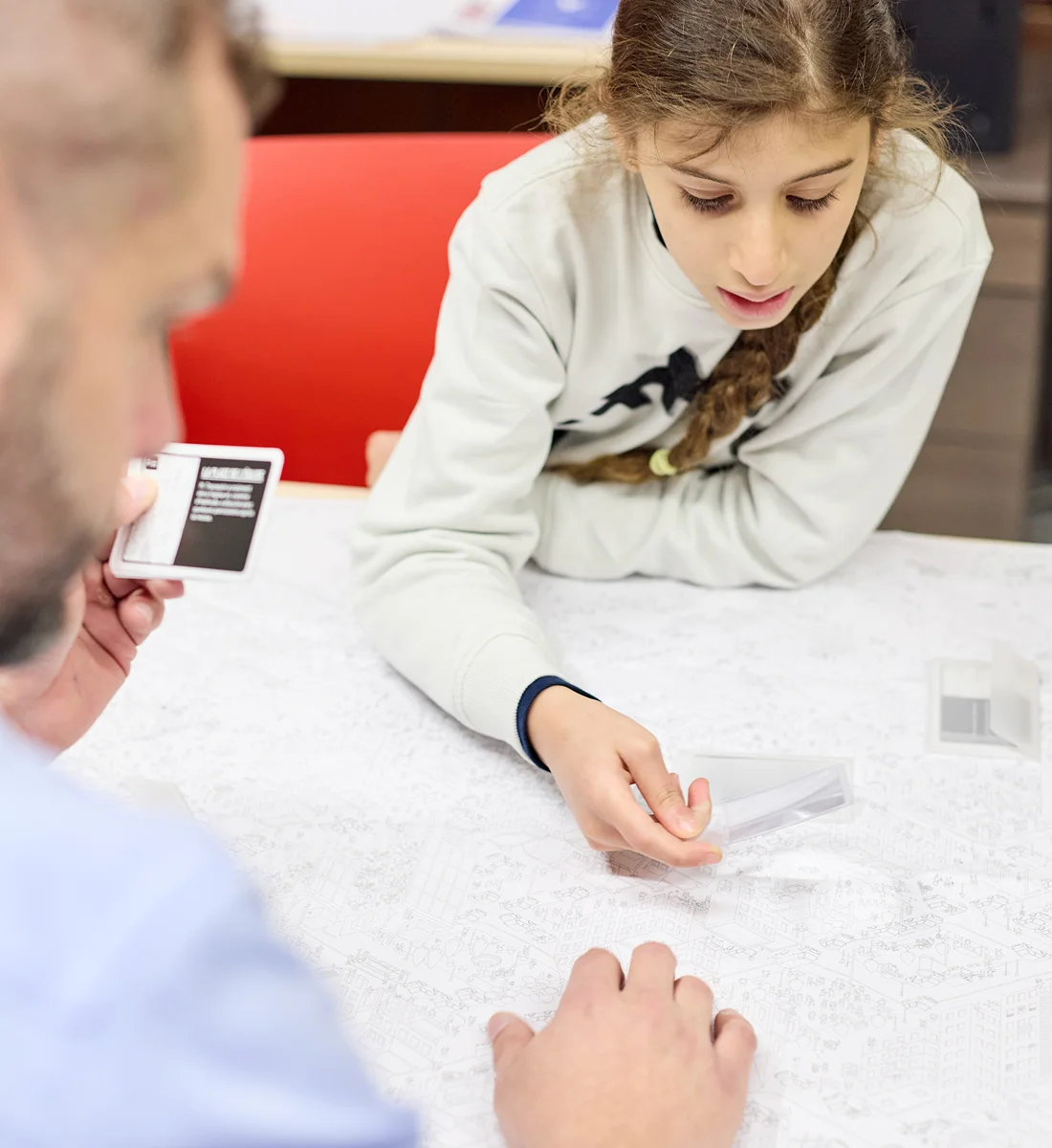
A question many parents ask themselves without always daring to voice is: will my child be able to join the public system afterwards, and will their studies be recognised?In the canton of Vaud, students who have followed a PER-aligned curriculum in a private school have access to the same post-compulsory pathways as their peers in the public system:
The goal is for your child to access the same pathways as their peers in the public system, regardless of their previous educational background.Private schooling in Lausanne is not a side route. It is a pathway that keeps all options open.
Founded in 1839, École Vinet is one of the oldest private schools in French-speaking Switzerland. Non-profit association, certified AVDEP, FSEP and IQSC — it offers a framework of trust, serving families for over 185 years.
In concrete terms, here is what we offer each student:
These elements are not a list of features — they are part of the daily experience we have been offering each student for over 185 years.Choosing a private school in Lausanne is a decision that deserves time and information — but it does not have to be complicated. By asking the right questions, visiting schools, and listening to your child, you will find the environment where they can truly thrive and make progress.École Vinet is a school recommended by the families who have chosen it — for its supportive environment, its academic rigor, and its individualized guidance. If you would like to learn more about our educational approach, meet the team, and visit the facilities, we invite you to get in touch. Each meeting is personalized, without obligation, and designed to answer your questions.
.svg)
.svg)


