



Choosing a private school in Lausanne is above all about finding the right environment for your child to progress, regain confidence, and build their future with peace of mind. But faced with the diversity of institutions, from private primary and secondary schools to post-compulsory education structures, and the variety of teaching approaches, how can you evaluate a private school in Lausanne and make an informed choice, whether you are one of the many international families settling here or already established in the region?
Here are the key factors to consider when selecting the right school for your child, regardless of the type of education you are looking for:
- Class size and the quality of individualised support: the number of students per class is often the first concrete indicator to check.
- The educational philosophy and learning methods: the foundation on which all daily teaching work is based.
- Parental involvement, communication with families, school life, and extracurricular activities.
- Available study paths: primary school level, general pathway (VG), pre-gymnasial pathway (VP), RAC Matu, pre-apprenticeship, and the courses offered by each school within each of these pathways.
- Practical conditions: schedules, cafeteria, supervision, environment, and school fees, all of which shape everyday family life.
- Labels and accreditations that guarantee the quality of the education provided.
- Adaptations for specific profiles, depending on the student: gifted students (HPI), international backgrounds, or specific language needs.
- An international or French school.
In Lausanne, private schools aligned with the Plan d'études romand (PER) also ensure direct continuity with the Vaud school system, with the aim of enabling your child to access the same opportunities as students in public schools, whether they enter gymnasium at the end of the school year or later, and to facilitate access to higher education.
Here is a complete guide to help you choose the right private school for your child.
The essentials in 2 minutes
- Why choose private education? Smaller class sizes, individualised support, flexible teaching methods, and direct communication with families. A private school in Lausanne aligned with the PER ensures the same opportunities as public schools: gymnasium, Swiss Matura, and apprenticeships. Ultimately, it is an educational model that places the student at the centre, with the goal of opening up all future possibilities.
- The criteria that really matter: class size, teaching methods, quality of support, available study tracks, and the school's quality labels. Take the time to see how the school actually works during a visit: the number of students per class, day-to-day school life, and the real educational offer beyond what is presented in brochures or on websites.
- Price: between CHF 20,000 and 40,000 per year for international schools, and significantly more affordable for local schools aligned with the Vaud cantonal education system. A non-profit association reinvests all resources into education, with no profit-driven logic, and full transparency in how funds are used.
- Enrolment: possible during the school year in most institutions, often preceded by a trial period. A new registration can be completed easily: simply get in touch, send the most recent school reports, and arrange an appointment. Places are regularly available throughout the year.
- Specific profiles: gifted children (HPI) and families arriving from abroad or from another canton find in a Vaud private school a particularly well-adapted integration framework. For international students or those coming from a different education system, preparation for the requirements of the Vaud curriculum, including language support, is a real advantage. The school remains open to all profiles, with the means to support each educational path, including preparation for federal exams for those aiming for public gymnasium.
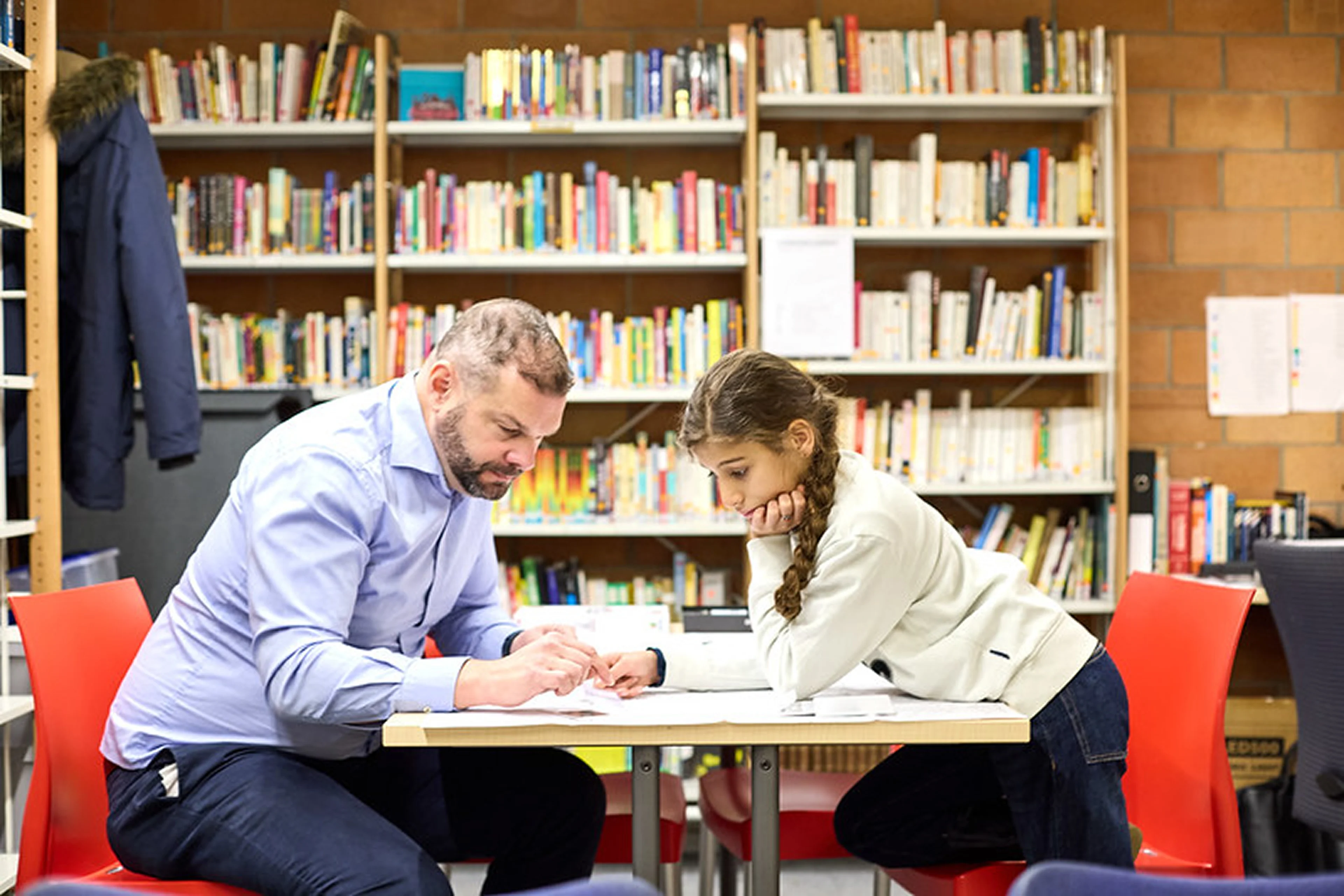
Why choose a private school in Lausanne?
Many parents arrive at this question after a moment of reflection: they may be looking for a more personalised learning environment and the opportunities that come with it, or they may feel that their child is struggling, losing confidence, or not progressing at the pace they deserve. Choosing a private school is not a fallback option; it is often a choice of environment, one that better matches a child's individual needs, strengths, and aspirations. Here is what, concretely, can set this educational experience apart.
The everyday benefits of a private school
In Lausanne, choosing private education means opting for a learning environment focused on academic excellence, where your child is known, supported, and individually guided. The most frequently cited advantages of private schools by families are tangible:
- personalised support made possible by small class sizes;
- a more flexible teaching approach, with methods adapted to each student's pace and profile;
- a school environment based on kindness and high academic standards;
- additional resources: coaching, extracurricular cultural and sports activities, and cultural exchanges, all part of a holistic education that goes beyond the strictly academic framework and is fully integrated into the curriculum;
- continual communication with families and support for academic and career guidance;
- a framework that fosters each young person's personal development and allows them to unlock their potential beyond academic results.
What families often describe is a school where their child finally feels seen, not just like they are following along. It is this educational model, both demanding and supportive, that makes the difference in the long term.
Our advice: do not rely solely on brochures. Visit, observe, and let your child share how they felt.
These advantages apply to all profiles, but certain family or academic situations make the choice of a private school particularly relevant. Here are two that come up frequently.
Your child is gifted: why the environment makes all the difference
Gifted children (HPI) are among the profiles that benefit most from a change of school environment, yet they are often the last for whom it is suggested. Because they “manage,” because they do not disrupt the class, or because their boredom is mistaken for laziness. Seeing a gifted child thrive in the right environment is often a revelation for families who have long been searching for answers.
In an overcrowded classroom, a gifted child can easily fall through the cracks: too fast for the pace of the group, but not struggling enough to receive specific attention. If this mismatch persists, it can lead to frustration and often a loss of motivation that may look like disengagement.
What changes in a learning environment with small class sizes, and the means to adapt to each profile, is:
- teachers can adapt the pace and depth of lessons to each student's actual profile, with the educational aim of stimulating without overwhelming them;
- approaches such as mental management allow gifted children to mobilise their strengths in ways other than simple memorisation, by engaging their thinking in different ways;
- individualised support includes tailored methodological guidance focused on developing autonomy: organising oneself, managing attention, and channelling an often highly active and abundant way of thinking;
- personal coaching can be provided to help the student build solid foundations and become an active participant in their own education, fully realising their true potential.
It is important to distinguish between two often-confused situations: a gifted child (HPI) and a child with learning needs have different needs, but both benefit from a supportive environment where time is taken to understand them before assessing them. This is precisely what a school can offer when its educational philosophy and approach place the student, rather than the curriculum, at the centre.
“A gifted student primarily needs stimulation. At École Vinet, this is reflected in concrete terms: a differentiated curriculum that allows students to progress further in subjects where they excel, complementary in-class activities to nurture their curiosity, and teachers who are available to adapt their approach to each profile. This is what small class sizes make possible.”
Nathalie Cueille, pedagogical director
You are arriving in French-speaking Switzerland or from another canton: how can you get off to a good start?
Moving to Lausanne with school-age children, whether you are an international family or relocating from another Swiss canton, immediately raises an important question: how can your child integrate into the Vaud school system without losing academic progress and without being unsettled in the first few weeks?
The French-speaking Swiss education system has its own reference points, and its structure can surprise families arriving from elsewhere. The numbering of school years (7th, 8th, 9th HarmoS), the General (VG) and Pre-gymnasial (VP) tracks, and the central role of the PER in student progression are all elements that differ from the French system, with its French Baccalaureate and reversed year numbering, from the Belgian system, or from other Swiss cantons, and can be disorienting for both parents and children.
The advantage of a private school aligned with the Vaud PER is precisely the ability to fully adapt the student's entry level to their current academic situation, without forcing them into a framework that does not yet suit them. It is an open system, designed to support each educational journey where it stands, not where it is expected to be according to a standardised timeline.
Our advice: do not wait for the situation to naturally settle on its own. The earlier the integration is supported, the faster your child regains their bearings.
Concretely, here is what this framework makes possible:
- assessment of the student's current level upon arrival: to place your child in the class that truly matches their academic achievements and to plan the development of any missing skills;
- gradual integration with preparation: individualised support that addresses gaps without forcing the pace, with progressive preparation for the requirements of the Vaud curriculum;
- strengthened foreign language courses: the school offers enriched German and English classes, two essential languages in the Vaud curriculum; for non-French-speaking students, targeted French support helps ease the transition into learning, with a progressively demanding level comparable to that of a specialised language school;
- advanced English class for English-speaking or bilingual students: to maintain a high linguistic level while integrating into the French-speaking curriculum;
- facilitated transition to the public system: the skills acquired in a private school aligned with the PER are fully recognised in the event of a return to the Vaud public education system.
What criteria should you use to evaluate and choose a private school?
There is no universal checklist, but certain criteria consistently come up when visiting schools and speaking with families. Here are the ones that truly make a difference when it comes to high-quality education.
1. Class size and individualised support
It is often the first criterion mentioned, and rightly so. Small class sizes, ideally between 10 and 18 students, profoundly transform the relationship between teacher and pupils. Each child can ask questions, be quickly identified if difficulties arise, and progress at their own pace. In practice, private schools in Lausanne typically have classes of around 10 to 18 students, precisely to enable close follow-up and more individualised teaching. This structure allows for more attentive support for each student and makes pedagogical guidance more responsive and individualised. It is therefore essential to verify the actual figures during a school visit, and not rely solely on what is stated in brochures.
2. Teaching and learning methods
A strong educational philosophy is not limited to a course format. Look at whether the school offers concrete approaches such as learning through play, mental strategies, interdisciplinary projects, or outdoor education, as well as clarity on the language of instruction for core and specific subjects. These methods support a child's overall development: intellectual, methodological, and personal, and are in line with international best practices, delivered by teachers whose qualifications and experience are regularly reviewed. High-quality education often lies in these pedagogical details, which you can observe during a school visit.
3. Communication with families
A good private school maintains regular and transparent communication with parents: online tracking platforms, regular meetings with teachers or school leadership, and an open-door culture. This is a concrete sign of seriousness, reputation, and commitment to properly preparing your child's future, in French as well as across all subjects.
4. Practical conditions: schedules, environment, and student support
Continuous school hours, on-site cafeteria, after-school supervision, mobile phone policy, and accessibility by public transport. These elements shape your child's daily life, and yours as well. A well-designed environment means less logistical burden and more peace of mind for the whole family.
Public school or private school: differences at a glance
Criteria
According to the dashboard of compulsory education in the Canton of Vaud, the average class size in public schools in Vaud is around 19 students, a figure that concretely illustrates what smaller class sizes change in terms of daily follow-up for each student.
What study programs do private schools in Lausanne offer?
Not all private schools offer the same range of academic programmes, nor the same ability to provide a complete and officially recognised education. In Lausanne and in the canton of Vaud, schools aligned with the Plan d'études romand (PER) generally offer the following pathways:
- 7th and 8th primary years, to support students in a smooth transition to secondary education, by building strong foundations in French, mathematics, and languages.
- General pathway (VG), from 9th to 11th grade, with strengthened foreign language courses, particularly German and English, with a level of rigour comparable to that of a language school, as well as practical options and guidance toward vocational training or specialised schools.
- Pre-gymnasial pathway (VP), from 9th to 11th grade, providing a rigorous academic preparation for entry into gymnasium, the Swiss Matura, and federal examinations.
- Matura bridging class (RAC), a bridging year leading to the first year of public gymnasium, for students who wish to re-enter an academic track.
- Pre-apprenticeship, for students who want to build a concrete career plan and develop practical skills before starting an apprenticeship.
What a PER-aligned program guarantees is a high-quality education that is internationally recognised, as well as a smooth transition into the Vaud public school system should your child join it later, along with preparation for entrance exams to gymnasium.
To better understand how compulsory education is structured in the canton (primary, lower secondary, VG and VP pathways), the Canton of Vaud provides a complete overview of the compulsory schooling system, which can help you situate your child's educational path.
How do you know if a private school is right for your child?
Here are a few concrete guidelines to help you decide. A bit of preparation before your visit can make all the difference. Before visiting, ask yourself these questions:
- Does your child need a more structured framework, or on the contrary, a more open one?
- Is your child lacking confidence, or simply learning methods?
- Has your child already shown that they can progress in an environment where they are truly trusted?
During the visit, trust your instincts. A good private school can be recognised as much by its atmosphere as by its results, and by its educational vision. Do the students seem comfortable and confident? Do teachers provide precise, engaged feedback on each student, or do they remain general and distant?
Many schools offer a trial period or an observation day. This is often the best way to make a decision, for both you and your child.
“I spent four years at École Vinet with teachers who were committed to giving us the best chances in a consistently supportive environment. I don't think I would be living from my passion today if I had not completed a significant part of my schooling there.”
Hugo Braillard
What is the cost of a private school in Lausanne?
In Lausanne, tuition fees vary significantly depending on the type of school and the services included. As an indication, average tuition for international or bilingual schools, particularly those offering the International Baccalaureate, generally ranges from CHF 20,000 to 40,000 per year. Local schools aligned with the Vaud education system are generally more affordable.
A point that is often overlooked: a school structured as a non-profit association reinvests all its resources into high-quality education and student support, without any profit-driven logic. It is an investment in your child's education, with full transparency on how funds are used.
Beyond the annual tuition fee, it is important to look at what is included: after-school care, supervised study time, meals, academic guidance, and cultural or sports activities. Two schools with similar fees can offer very different experiences.
How does enrolment in a private school take place?
The enrolment procedure in a private school in Lausanne is generally more flexible than in the public one, and this is one of the advantages. Here is how the admission process works in most establishments.
The registration steps
Making contact
By phone, email or online form. It's a good time to raise your first enquiries about available courses, places, and back-to-school deadlines.
Interview with the school management
A moment to understand your child's journey, needs and strengths. It's not an exam: it's a conversation.
Composition of the file
The required documents are generally the latest school reports and proof of address. Simple and accessible.
Test course
Some establishments offer a day or a week of integration so that your child, and you, can confirm your choice calmly.
Registration confirmation
Once the file has been validated, the student often has the opportunity to join the school during the school year, without waiting for the next school year.
Before you commit yourself, check that the establishment is recognised by independent organisations or has a quality label. The AVDEP (Vaudoise Association of Private Schools), the FSEP (Swiss Federation of Private Schools), and the IQSC (Swiss quality certification) are the main accreditations that guarantee the reliability of teaching, the transparency of management, and the quality of the supervision of a private establishment in the canton of Vaud.
For families still unsure which track is right for them, our guide on school orientation in Lausanne can help clarify the choice.
Do we have to wait until the next school year to change schools?
Many parents wait for June reflexively, for fear of unsettling their child, or simply because they don't know that another option exists. The reality is often the opposite: staying in an unsuitable environment for several months is more expensive than the transition itself.
Signs that indicate that you should not wait:
- a visible and lasting loss of trust, not a one-time lapse;
- a repeated refusal to go to school or increased anxiety;
- declining academic performance despite real efforts;
- a feeling of invisibility in a class that is too big to really follow;
- an academic orientation that will be decided in the coming months, and for which every week of proper guidance matters.
In most private schools in Lausanne, enrolment during the school year is possible. A trial period allows your child to gradually discover their new environment, with individualised support from day one.
Changing schools during the year is not a sign of failure: it is often the right decision made at the right time.
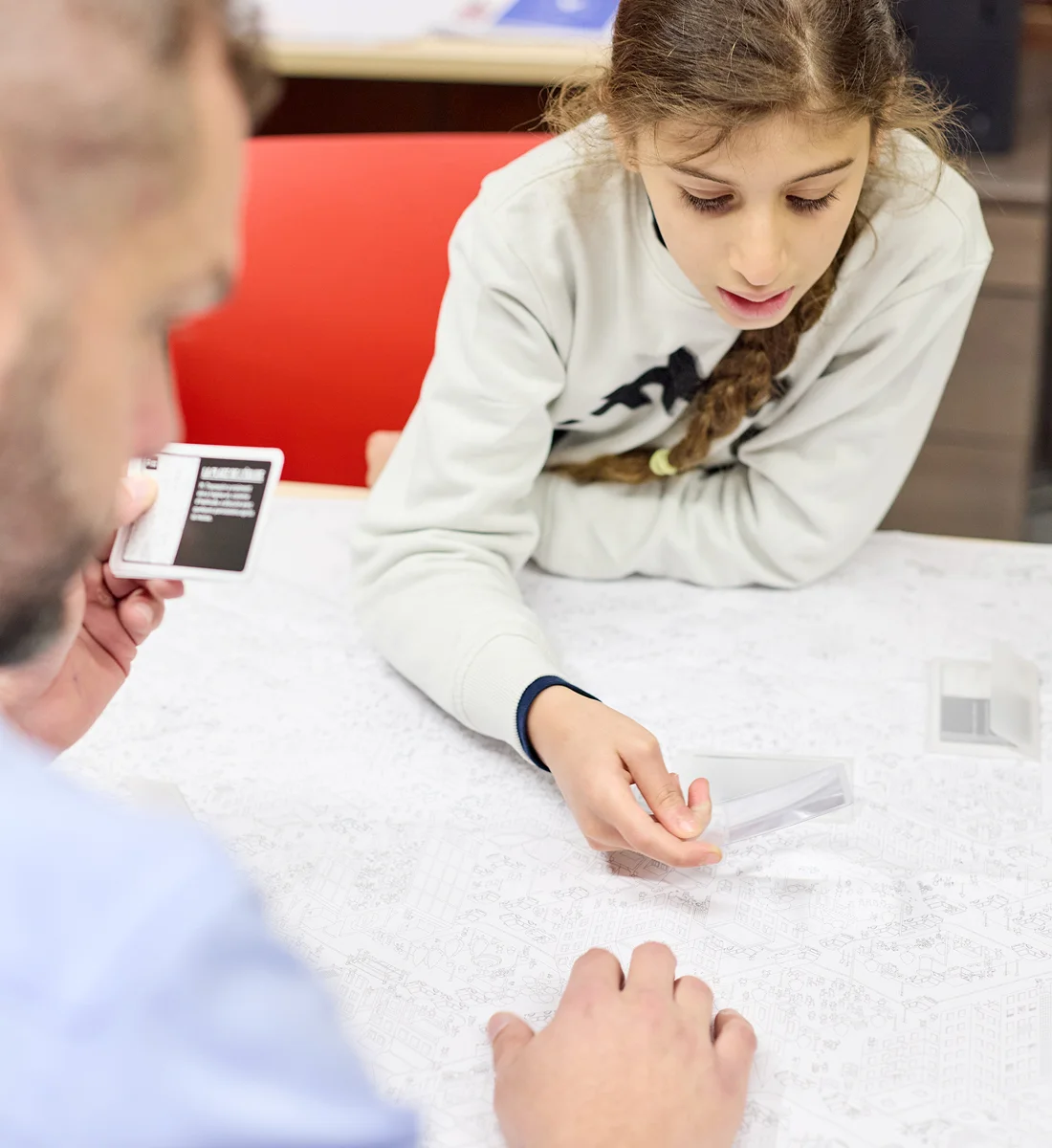
And after private school? The doors that open
A question many parents ask themselves without always daring to voice is: will my child be able to join the public system afterwards, and will their studies be recognised?
In the canton of Vaud, students who have followed a PER-aligned curriculum in a private school have access to the same post-compulsory pathways as their peers in the public system:
- gymnasium public Vaudois: via admission exams from the pre-gymnasium track, with targeted preparation for federal entrance exams;
- Swiss maturity: prepared via the RAC Matu class, a recognised equivalent of the French baccalaureate for families coming from a foreign system;
- business school or general culture school: for a more career-oriented pathway;
- vocational training, apprenticeships, and specialised vocational schools: with orientation support and company internships integrated from the general level.
The goal is for your child to access the same pathways as their peers in the public system, regardless of their previous educational background.
Private schooling in Lausanne is not a side route. It is a pathway that keeps all options open.
École Vinet, a private school in Lausanne since 1839
Founded in 1839, École Vinet is one of the oldest private schools in French-speaking Switzerland. A non-profit association, certified by AVDEP, FSEP, and IQSC, it offers a framework of trust, serving families for over 185 years.
- ~130 students per school year, from Primary 7 to Secondary final year 11th grade;
- 10 to 18 students per class maximum;
- programme in accordance with PER Vaudois: VG, VP, RAC Matu, Pre-apprenticeship courses;
- reinforced language courses: German and English, with advanced class for bilingual students;
- accompanied homework integrated into the schedule, less workload in the evening at home;
- continuous day with supervision during breaks and lunch time;
- a school with the “Phone Free School” label: mobile phones are handed in at the school office upon arrival;
- outdoor learning experience once a month: outdoor learning in Primary, anchored in the classroom;
- guidance counsellor, available when entering secondary;
- timetable arrangements for young athletes and artists practising at a high level;
- individual admission interview, to understand your child's journey before making any decision;
- registration and test courses possible during the year.
These elements are not a list of features: they are part of the daily experience we have been offering each student for over 185 years.
Choosing a private school in Lausanne is a decision that deserves time and information to make an informed decision; it does not have to be complicated. By asking the right questions, visiting schools, and listening to your child, you will find the environment where they can truly thrive and make progress.
École Vinet is a school recommended by the families who have chosen it, for its supportive environment, its academic rigour, and its individualised guidance. If you would like to learn more about our educational approach, meet the team, and visit the facilities, we invite you to get in touch. Each meeting is personalised, without obligation, and designed to answer your questions.


